
When it comes to cooking, a good knife makes all the difference. It doesn’t just make slicing and dicing easier; rather, it also improves safety and precision in the kitchen. With so many choices, it is overwhelming to determine which ones you really need.
Here, we’ll break down the essential kitchen knives every cook should have at home, and why they’re essential for inexperienced cooks.
Why Every Kitchen Needs Essential Knives
Essential knives are the foundation of any kitchen. They make cooking easier, faster, and safer by handling a variety of tasks. Key benefits:
- Versatility: Good for a variety of tasks, such as chopping vegetables and slicing through meat.
- Built to last: Tools that can take the toughest of jobs.
- Efficiency: Improves the quality of meal prep by utilizing the correct knife for each task.
- Safety: A good knife can make cutting safer and minimize accidents overall.
- Accuracy: Provides greater precision for clean cuts and superior food presentation.
What are the Best Essential Kitchen Knives
Kitchens might have many dozens of specialized knives, but there are certain staples that every home cook should own:
Chef’s Knife
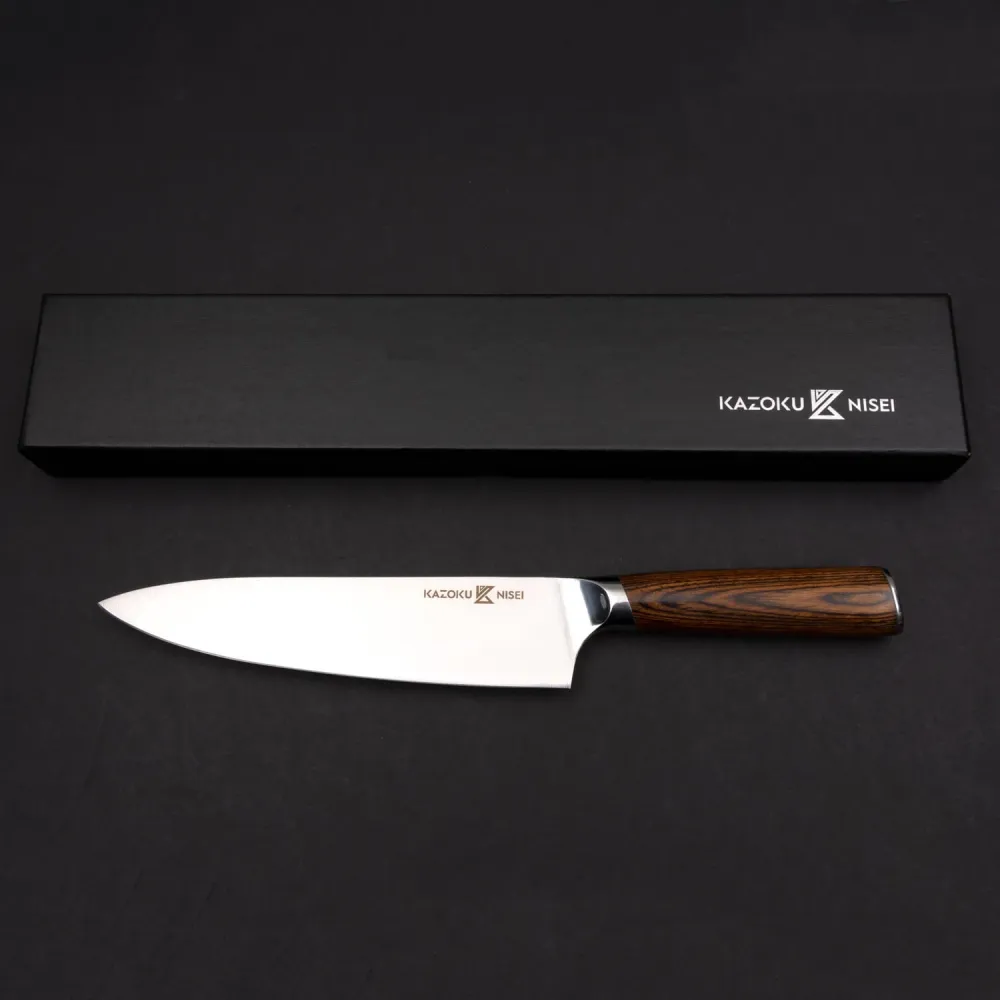
Universal knife for chopping, slicing, and dicing a variety of ingredients. A nice Kazoku Nisei Chef's Knife and Kazoku Kurashikku Chef's Knife will solve most of your vegetable butchery with ease.
Paring Knife
Perfect for peeling fruits and vegetables like apples, potatoes, or for precise garnishing. It is especially well-suited for detailed work.
Bread Knife
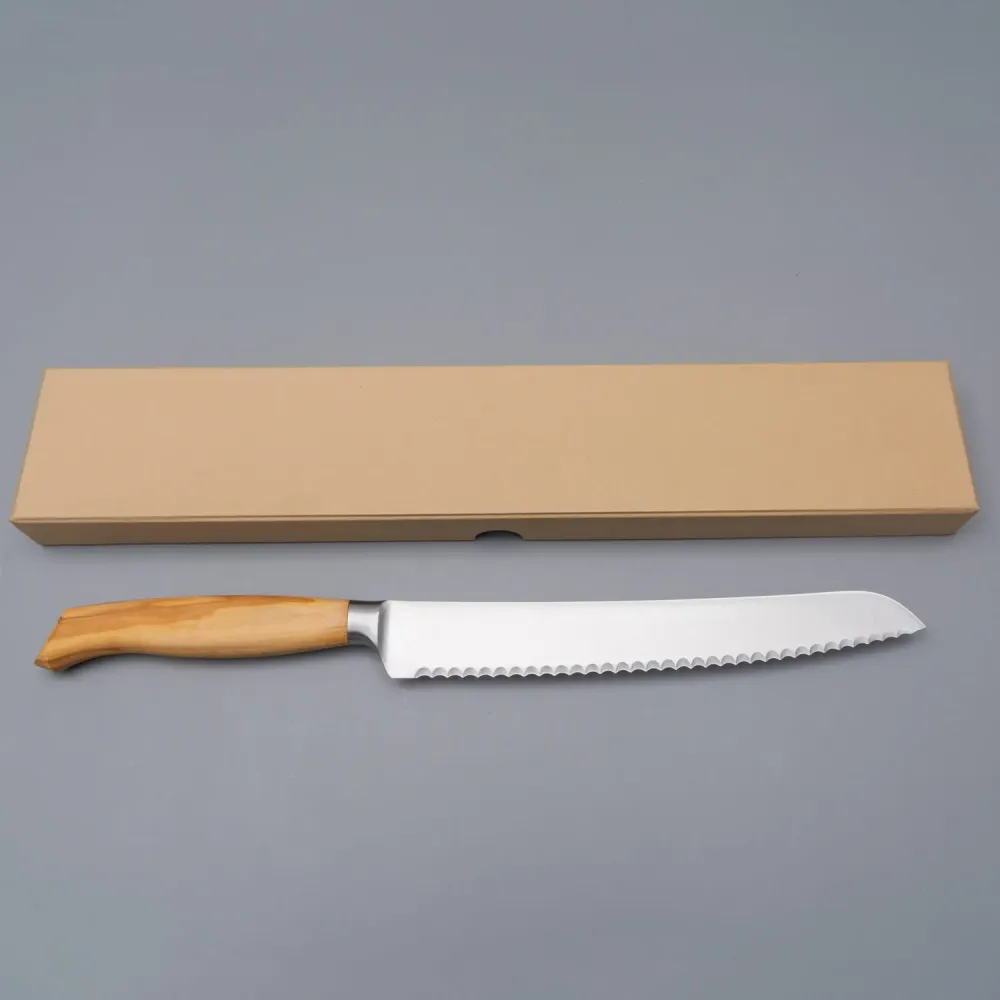
This knife with a serrated blade glides easily through crusty loaves without squishing the softer inside. Try the Kazoku Doitsu Bread Knife or Kurashikku Bread Knife for finer bread slices.
Utility Knife
A medium-sized knife that works well for everyday slicing and chopping tasks when a chef’s knife feels too large.
Santoku Knife
Used frequently in Japanese cuisine, the Santoku is perfect for slicing, dicing, and chopping with a shorter, narrower blade than a traditional chef's knife.
You can conquer almost any recipe with just these must-have kitchen knives, without having to own a mountain of them.
Essential Knives for Chefs: What Professionals Recommend
Professional chefs value precision, comfort, and the quality of the blade. Below are some common essential knives for chefs:
- Gyuto Knife: This is a Japanese all-purpose chef's knife, such as the Kazoku Gyuto Chef Knife, known for its balance and precision.
- Boning Knife: Great for deboning meat with no waste. The Kazoku Nisei Boning Knife is the best pick to do the job with safety and precision.
- Fillet Knife: Thin and flexible, this knife is necessary for filleting fish.
These knives aren’t just tools; they’re extensions of the chef’s hand and provide unmatched precision, speed, and control in a professional kitchen.
Caring for Your Essential Knives
No knife is ever going to be beneficial if you don’t care for the blade. Good maintenance keeps them sharp, safe, and durable. It is easy to do and will add a ton of life to your knives. Here are some knife care tips:
- Keep sharp: Maintain an edge with a sharpening stone or professional service.
- Proper storage: Never store knives loose in a drawer or with other metal objects to prevent damage to the blade.
- Hand wash only: Do not place in dishwasher to avoid damage and rust.
- Dry instantly: Dry knives soon after washing to keep them in proper shape.
- Use properly: Cut on right surfaces such as plywood, wood, or plastic, but not metal or glass.
Choosing the Right Knife for Different Ingredients
Even with essential knives in your kitchen, understanding which knife is best for which ingredient will save time and lead to a more efficient and safer prep. For example:
- Vegetables: A chef’s knife or Santoku will tackle all of your chopping and dicing needs.
- Bread & Baked Goods: Use a serrated bread knife for clean cuts.
- Meat & Poultry: Boning knife or Gyuto for accuracy and speed.
- Fish: A fillet knife cuts away the most delicate meat without sacrificing a morsel.
Elevate Your Kitchen with Kazoku Knives
For high-end Japanese knives that combine new and old traditions, Kazoku Knives is a great destination! From Gyuto and Santoku to chef’s knives, all are designed for precision and ease. Great for professionals and home chefs, we provide everything you could need in a knife, from storage to cutting boards to accessories.
Conclusion
The right knives can transform cooking from a chore into a pleasure. Start with basic knives and grow as your skills do. Good knives, which are kept sharp, make cutting easy, fast , and safe. For luxurious Japanese knives, Kazoku Knives has a lasting family collection.
FAQs
What are the must-have knives for a beginner cook?
You can cover the vast majority of beginner cooking with a chef’s knife, a paring knife, a bread knife, and some kind of utility knife.
How often should I sharpen my knives?
For home use, sharpening every 6-12 months is usually enough, along with normal honing, to maintain the edge.
Do Japanese knives outperform Western knives?
Japanese knives, such as those from Kazoku, are famed for precision, sharpness, and being lightweight. All staple needs many chefs to select for in terms of accuracy and control.
Can you trust buying professional knives online?
Yes, you can. Brands like Kazoku offer genuine and the best quality knives online with safe shipping and customer support.
How do I store knives safely?
Store blades safely using a knife block, magnetic strip, or knife sheath. Avoid tossing them in drawers.
Leave your comment