
A Damascus steel knife is a masterpiece that combines beauty and functionality in one exceptional tool. When you hold a Damascus knife, you can immediately sense its uniqueness, sharp, strong, and visually stunning. But the question remains: how long do these knives stay sharp and last?
Whether you're an aspiring chef or simply want quality kitchen tools, it's essential to know the longevity of your knife. In this guide, we'll explore the factors that influence how long your Damascus steel knife will remain in top condition and provide tips to help extend its lifespan.
How are Damascus Steel Knives Made?
The process of making Damascus steel knives is really interesting. It is a process requiring both skill and art. Here is how it usually works:
Folding the Steel
The craftsman takes a lot of layers of high-carbon and stainless steel, and heats them up and then hammers them in order to shape them to be small. This process is repeated many times in order to get the layers merged correctly.
Etching
Once the pattern is on the surface, the knifemaker oxidizes and darkens the layers with acid to make the pattern stand out against each other. That's when the pattern is most clearly evident.
Forging the Blade
After creating a pattern, grinders and hammers forge the knife. The bladesmith here shows ultimate precision in order to give the blade the correct shape and size.
Heat Treatment
Next, the knife is quenched and tempered to provide hardness and strength to the blade. This makes it more resistant from 56 to 63 HRC to harden it up for everyday use.
Polishing & Handle Fitting
The steel is ground and polished in order to reveal the pattern and to sharpen the edge. Then the handle is put on by using either traditional or modern methods.
What is the Average Lifespan of a Damascus Steel Knife?
The longevity of your Damascus steel knives depends on a couple of factors. A high-performance Damascus knife can last from 20 years to as long as 30, but only if it gets good care. Having said that, there are many variables to consider, and if you take care of your knife properly, it will last much longer than that.
Factors Determining the Lifespan of Damascus Steel Knives
Let’s break down the main factors that determine how long your Damascus steel knife will last.
1. The Quality of the Steel
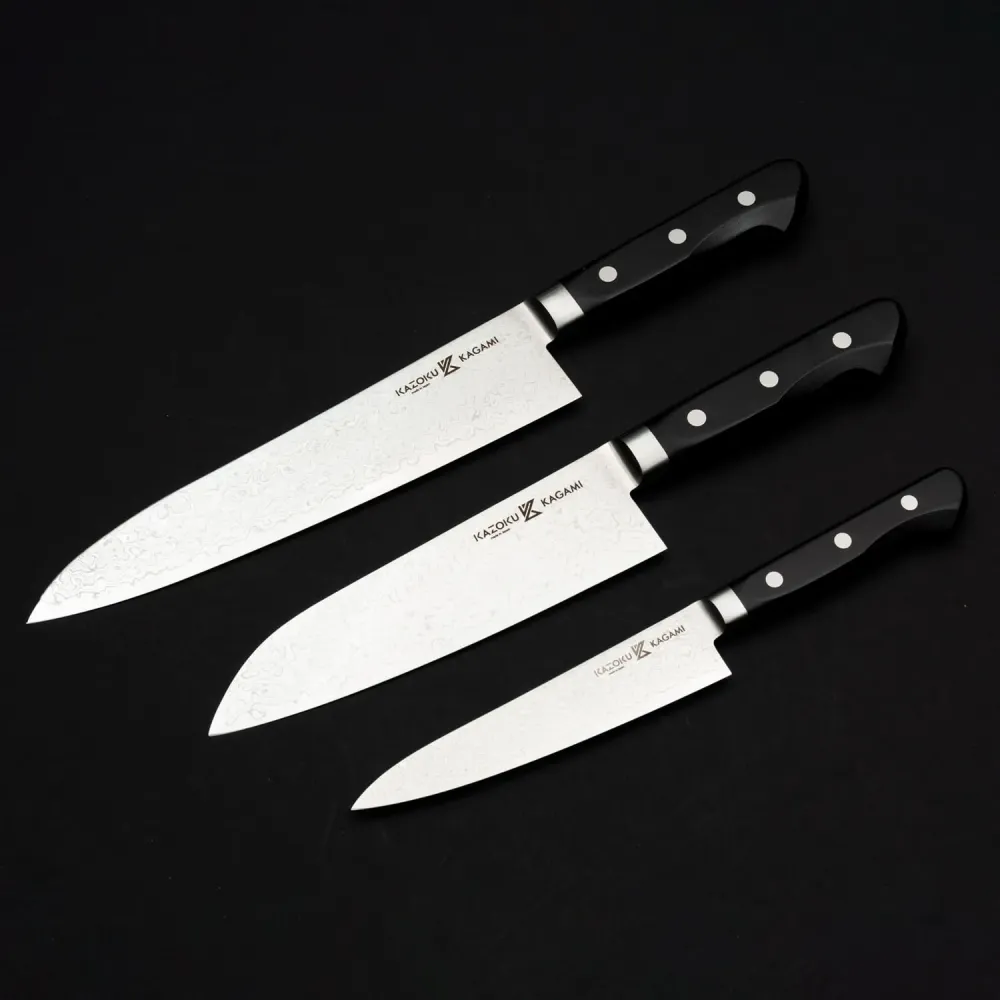
Not all Damascus steel knives are the same. Some knives use high-end materials, like the Kazoku Kagami Santoku 17 cm, which uses Aus 10 Damascus steel. That kind of steel can last way longer than cheaper alternatives.
2. How You Use It
Your Damascus steel knife may not be built for hard tasks. These knives are made for precision cutting tasks. If you’re treating it like a general-purpose tool for cleaning bones, cracking packages, and cutting hard ingredients, it may not fare as well in the long term.
3. Maintenance and Care
You should take proper care in order to prolong the life of your Damascus steel knife. This involves its maintenance, cleanliness, suitability for food, and frequency. Take good care of it, and your knife will repay you with years of service.
How to Make Your Damascus Steel Knife Last Longer
So that you know what influences the usability of your Knife, now let’s discuss a few simple tips of how to extend the lifespan of your Damascus Steel Knife.
Keep It Sharp
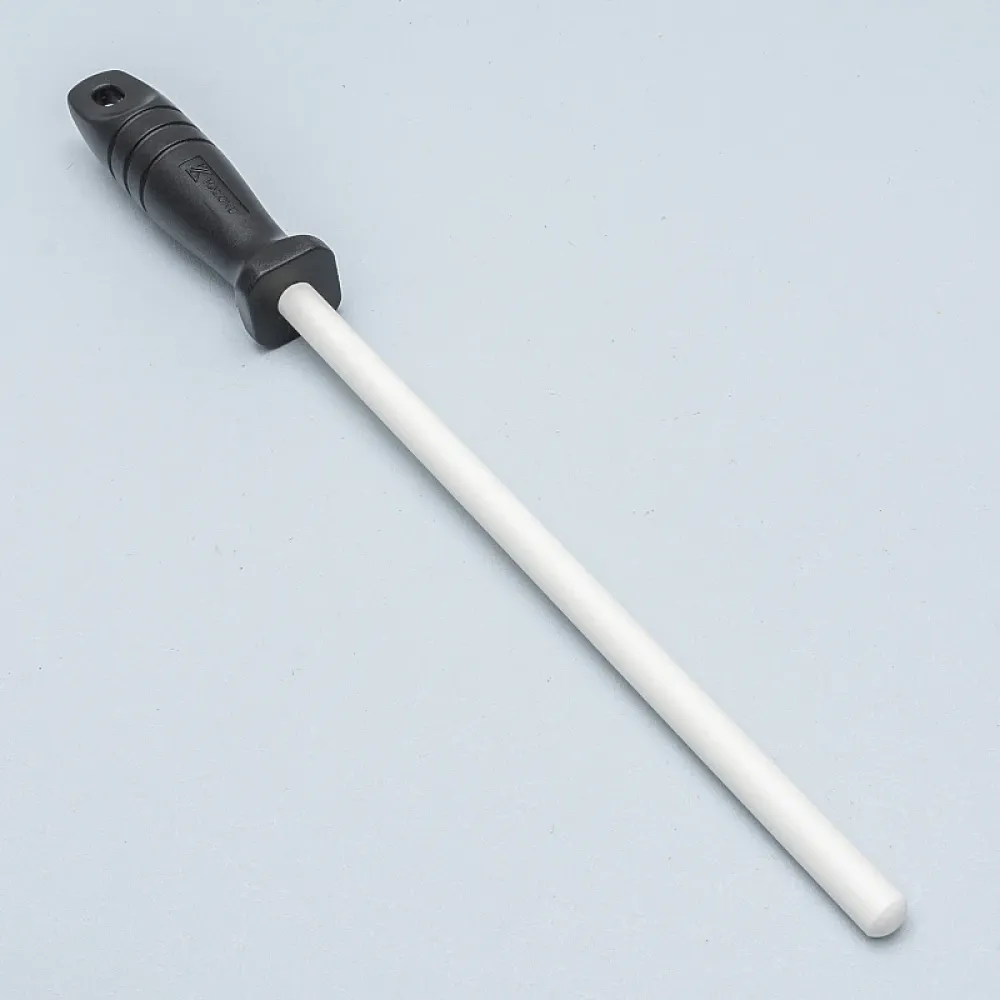
When you keep your Damascus steel knife sharp, it will be more effective. Proper sharpening keeps the edge from thinning and from damage when you use it every day. Buy fine quality knife sharpening tools like ceramic sharpening rods or prestige sharpening stones, according to the manufacturer instructions.
Clean It Properly
This knife can last for years and remains your possession until you sell it. So, it is important you keep it properly clean. Always hand-wash your Damascus knife and never use harsh chemicals or abrasive scrubbers, as they can ruin the surface.
Use the Right Cutting Surface
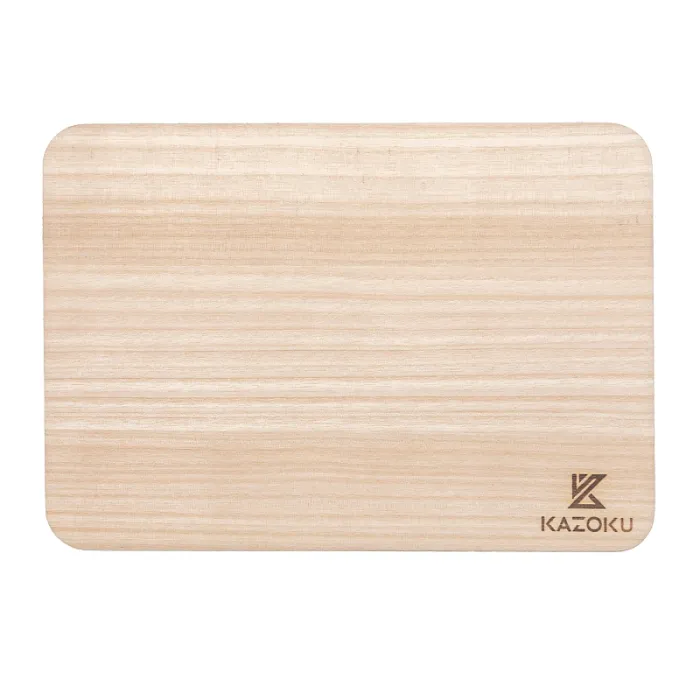
The next thing you need to know, if you are cutting on surfaces like granite or glass, then you will diminish the sharpness of your Damascus steel knife. Instead, purchase a quality cutting board made of wood or plastic for precision kitchen work.
Store It Safely
Finally, putting your knife in the correct place will ensure the blade does not touch any contaminants that might result in rust or could be damaged. Keep the knife in a wooden sheath or buy a good knife protector with a soft and safe inner space.
.webp)
What Not to Do With a Damascus Knife?
Damascus knives are delicate and you need to take good care of them in order to retain their accuracy and durability. To make sure that yours lasts for decades, avoid the following:
- Never place in the dishwasher or soak in water
- Don't store in leather sheaths or use harsh abrasives
- Avoid prying, hammering, or cutting frozen foods
- Don’t put a wet knife in the protection cover
Remember, a well-cared knife can last for even more than 30 years, whereas a knife that is not properly used might work only for a few years.
Conclusion
When these knives are taken care of, Damascus steel knives will last anywhere between 20 to 30 years or even more, depending on the quality of the blade and the way it is kept.
If you are looking to invest in Damascus steel knives that will last for a lifetime, be sure to choose a reputable manufacturer such as Kazoku Knives. Our carefully designed range of Japanese knives is designed to provide both functionality and beauty meaning you have a dependable friend in your kitchen for years to come.
By following the simple care instructions outlined here, you can enjoy the superior sharpness, durability, and visual appeal of Damascus steel knives every time you use them.
FAQs
Why is Damascus steel so special?
Damascus steel is so special because of its beautiful layered structure that canbe honed sharp, resilient edge for precision culinary work.
Can Damascus steel rust?
It depends upon the construction of the knife. Damascus steel knives made of high carbon steel may rust but most Damascus knives are made of stainless steel and are that much prone to rusting.
How many layers of Damascus steel are good?
There is no ideal number of layers in a Damascus steel knife. Based on your use, laying can be less or more. However, traditional Damascus steel ranges from 16 to 500 layers.
Leave your comment