
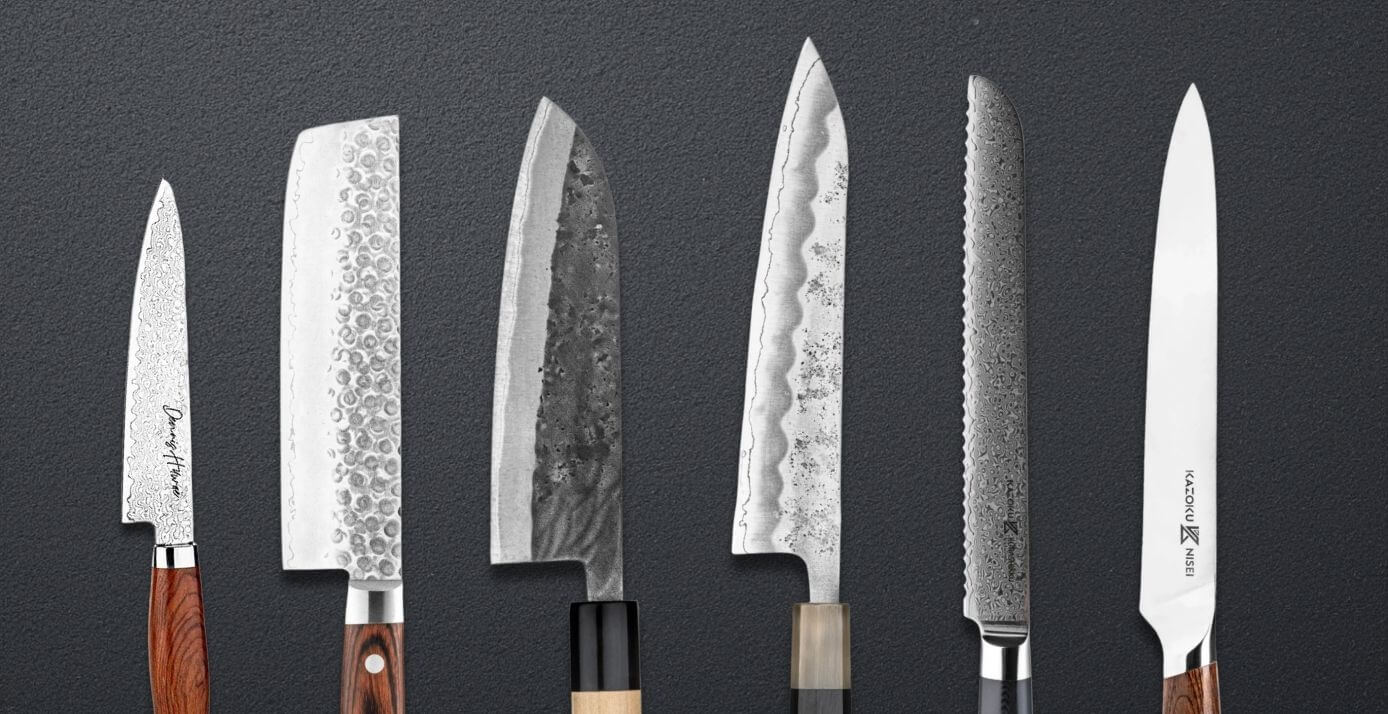
And that’s why understanding the nature of your knives and selecting what you really need matters.
You are most likely familiar with names like Gyuto, Santoku, and Nakiri, but what do they actually signify? If you’ve ever attempted to shop for a Japanese knife, you know it can be like decoding a secret language of steel.
Don’t worry! You’re not alone.
Japanese knives are revered for their beauty, precision and range. In this blog, we’ll cut through the confusion and help you understand the different types of Japanese knives so you can choose the perfect one for your cooking.
Why do We Need Different Types of Knives?
You must be thinking, “Why so many knives? Can’t one do everything?” or “Do we really need multiple kitchen knives?” In Japanese cooking, every movement in the kitchen serves a purpose, and so does every knife.
Each knife type is made for a specific task: the Gyuto for general slicing, the Yanagiba for sashimi, the Nakiri for vegetables, and more. It’s not about cluttering your kitchen, but rather helping you accomplish a cleaner, faster, and more precise cut each time.
Now that you know why these differences matter, let’s explore the main types of Japanese knives and their unique characteristics.
All-Purpose and General Use Knives
These types of knives are the most popular ones due to their versatility in the kitchen.
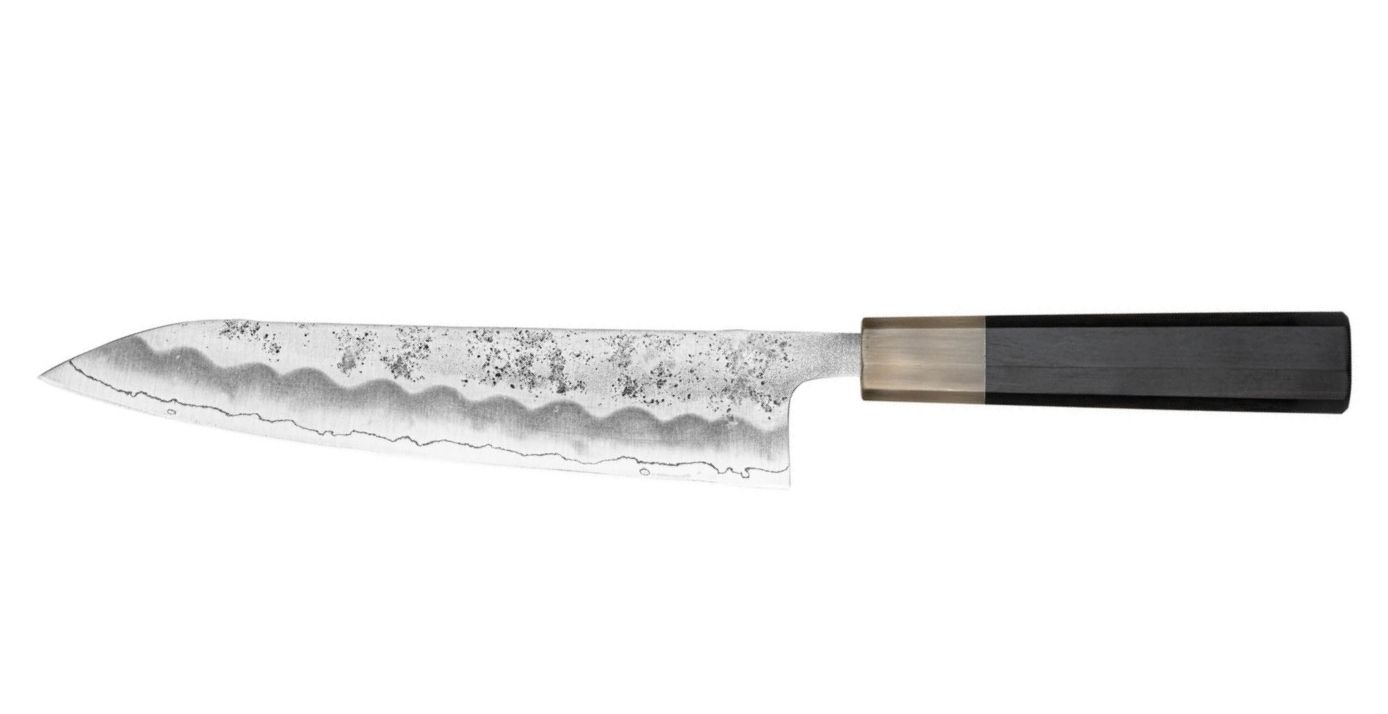
Gyuto (Chef’s Knife)
In Japan, “Gyuto” means cow sword. It was originally made for beef slicing.
- Size: Normally 210–270 mm (8–10 inches)
- Design: Slightly curved dual-beveled blade for rocking and push cutting
The Gyuto is ideal for slicing meat, chopping vegetables, and mincing herbs. It’s the Japanese version of the Western chef’s knife.
If you prefer a blade that feels natural, try the Kazoku Mabushii Gyuto 24 cm because it is designed to make every cut precise.
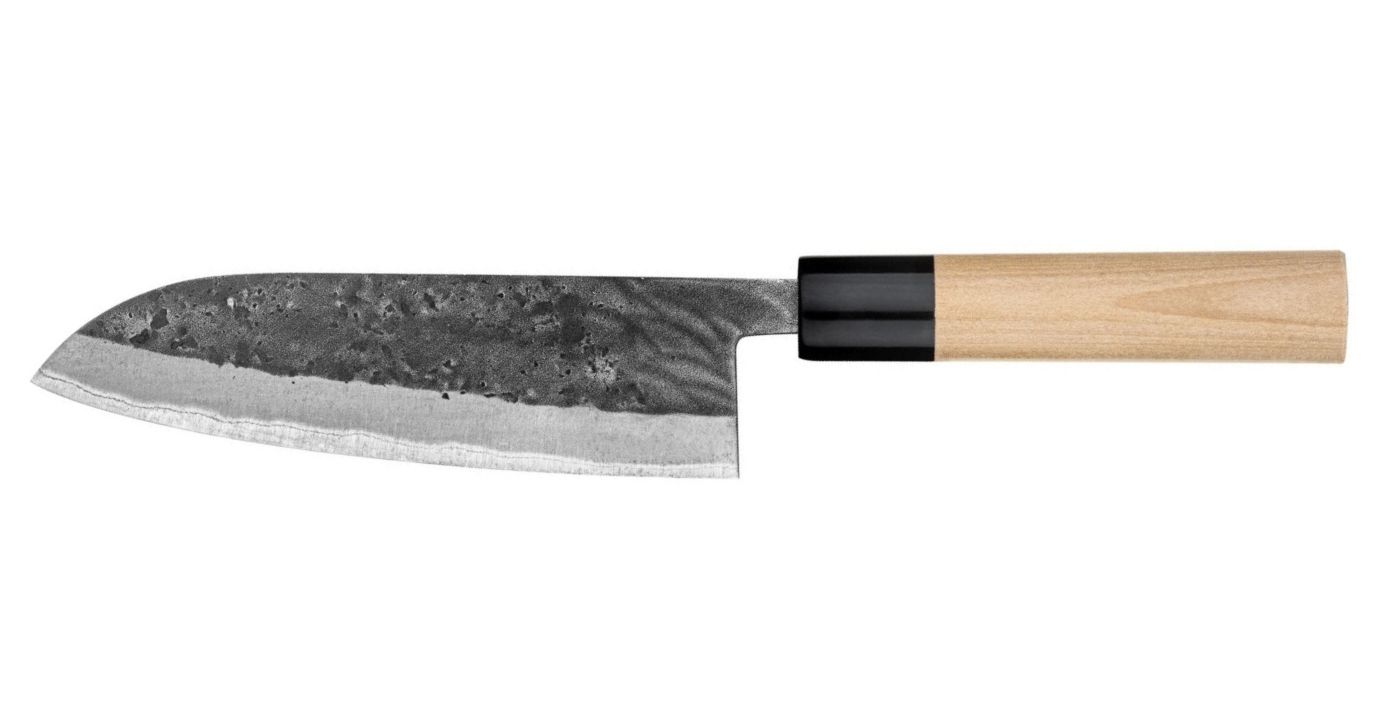
Santoku
The term “Santoku” literally means three virtues: slicing, dicing, and mincing. This became a favorite knife in the post-war Japanese industry.
- Size: Usually 165 mm – 180 mm (6.5 – 7 inches)
- Design: A flat edge with a sheep’s-foot tip
It’s a fantastic medium-sized knife for all your everyday cooking needs, whether that means chopping vegetables or trimming meat. Kazoku Ketsugo Santoku 18 cm is made for home cooks, and small kitchens in particular.
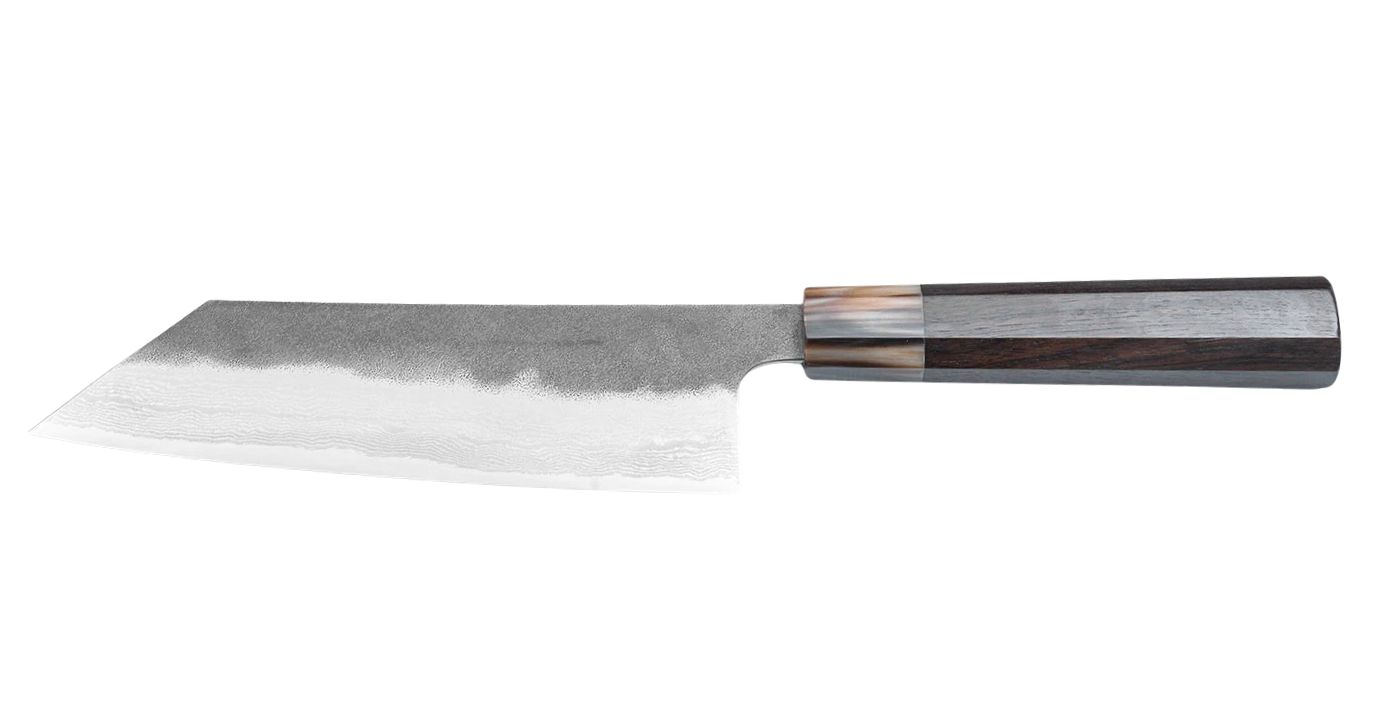
Bunka
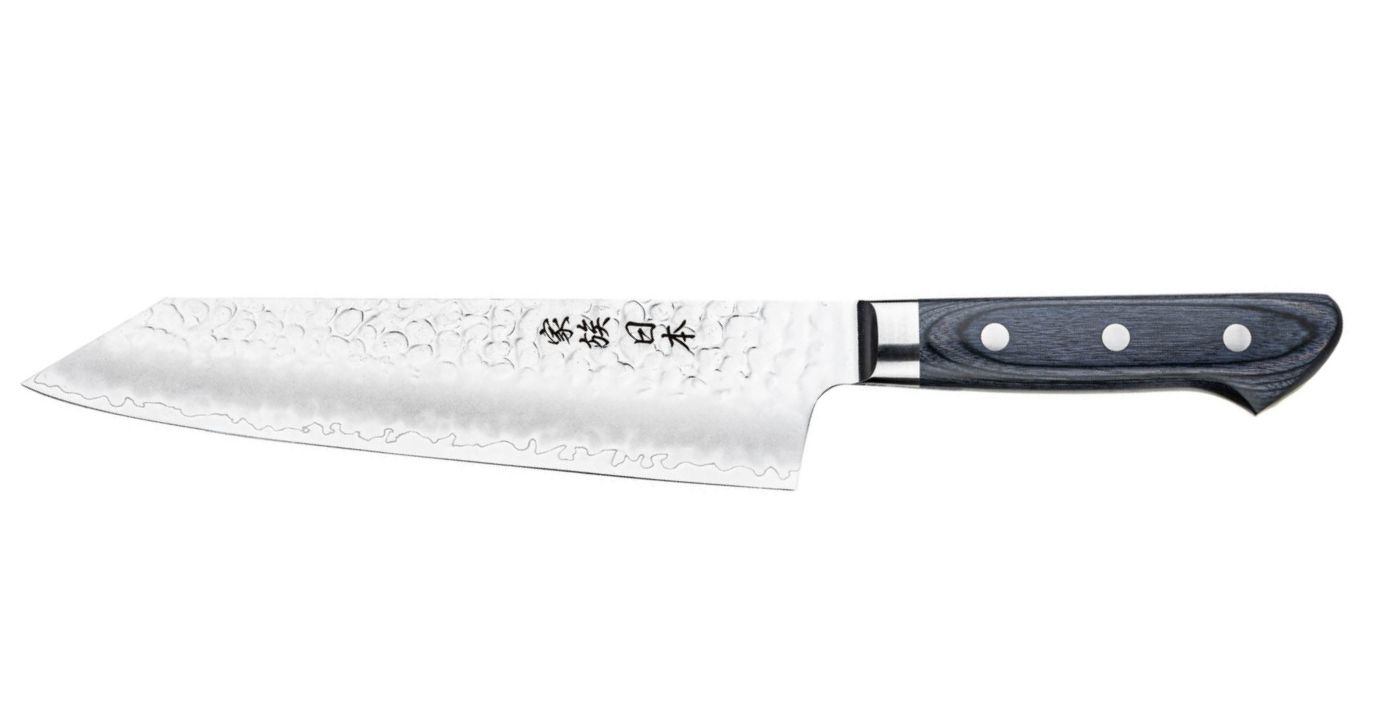
The Bunka is a bit of an unsung hero in the world of Japanese knives. It combines the versatility of a Santoku with the tapering tip of a Kiritsuke, which is great for all your daily activities in the kitchen.
- Size: Around 165 mm – 180 mm
- Design: Straight edge with a sharp reverse tanto tip for precision work
Kazoku Mabushii Bunka is all-purpose and can handle slicing meats and chopping vegetables with finesse, as well as more detailed work like trimming herbs.
Kiritsuke
It is used only by executive chefs. Only they were permitted to use the Kiritsuke because it’s considered a status symbol.
- Size: Typically 240 mm – 270 mm
- Design: Long, flat profile with a clipped point combining the Yanagiba’s slicing ability and the Usuba’s precision
A hybrid knife is multi-purpose, able to slice fish, cut vegetables, and break down proteins. It is a favourite of many because it has a straight edge. If you want to experience that royalty, consider the Kazoku Royal Blue Aogami 19.5 cm.
Fish and Sashimi Knives
Japanese cuisine treats fish with deep respect, and the knives used to prepare it aim to keep its texture and form.
Takobiki
Takobiki originated in Tokyo for the purpose of cutting octopus (tako) and other soft seafood.
- Size: 270 mm – 330 mm
- Material used: High-carbon steel
- Design: It resembles the Yanagiba. However, the tip is squared, which allows greater control when cutting sticky proteins
Chefs like using it for sashimi featuring soft or sticky seafood, where accuracy and consistency are most important.
Deba
The Deba, powerful and strong, has existed since the Edo era. It resembles a Gyuto but is much thicker and can handle cutting small fish bones.
- Size: 165 mm – 210 mm
- Design: Heavy and thick single-edged blade used to cut through fish bones
Great for filleting whole fish or breaking down poultry. The Deba excels at jobs that demand finesse as well as force.
Sujihiki
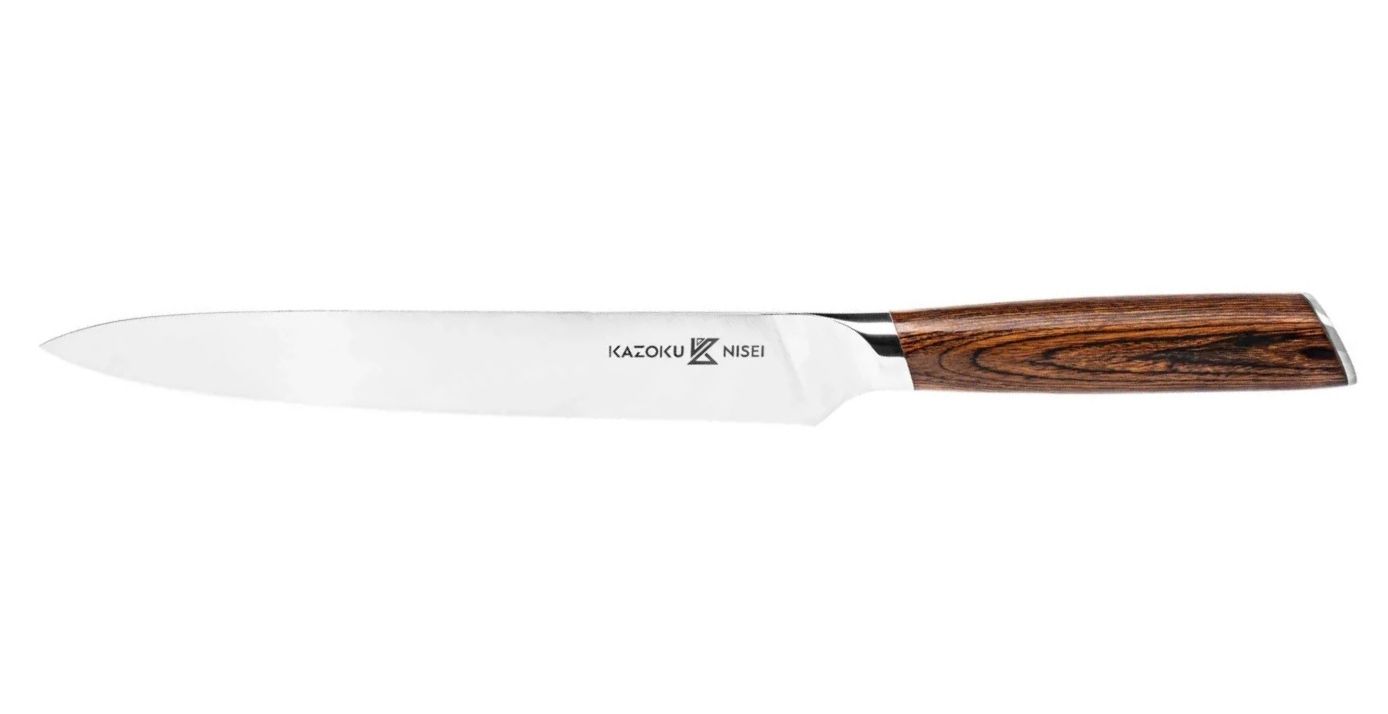
The Sujihiki is Japan’s solution to the Western carving knife. It is named for a reason: to slice flesh, and it does so well.
- Size: 240 mm – 300 mm
- Design: Long and narrow blade with double bevels for smooth slicing
The Sujihiki will effortlessly glide through meats and fish. Kazoku Mayonaka Sujihiki 24 cm is perfect for creating clean and even slices. It's ideal for roasts, sushi, or sashimi.
Vegetable Knives
For precision cutting, there are Japanese vegetable knives. With flat edges and sharp sides, they let you slice vegetables without crushing or bruising.
Nakiri
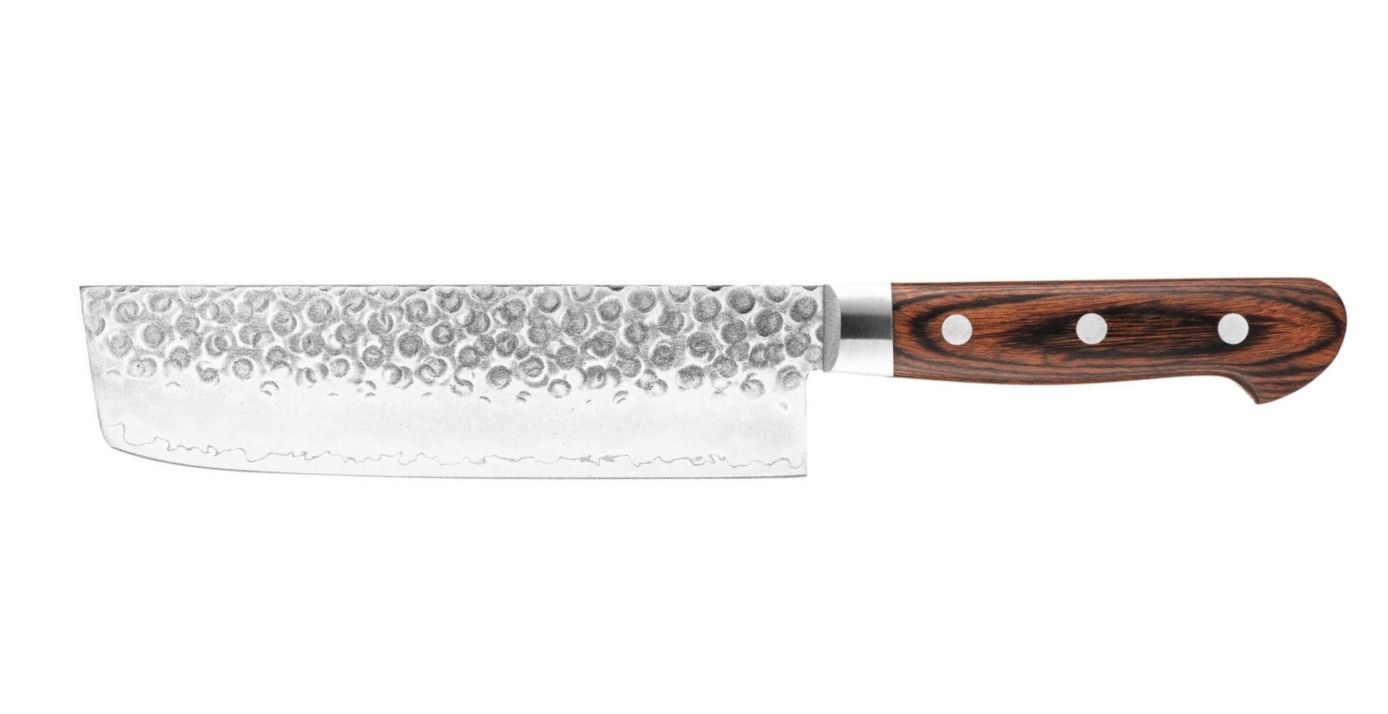
The Nakiri has been around in Japan for many hundreds of years. It’s the go-to knife for vegetable prep.
- Size: 165 mm – 180 mm
- Design: Straight and double beveled blade with full contact on the board
The Nakiri is ideal for slicing and chopping vegetables with a smooth and clean cut. Vegetarians and people who genuinely care about a clean presentation of food can try Kazoku Kagami Nakiri 17 cm to have a real experience.
Usuba
The Usuba is favored by professional chefs for its clean and easy vegetable work, including intricate and decorative cuts.
- Size: 180 mm – 240 mm
- Design: A flat edge with a tall blade to discourage wobbling and ensure accuracy
The Usuba is perfect for paper-thin slicing and is a favorite in traditional Japanese cuisine for creating beautiful culinary creations.
Specialty and Utility Knives
These knives might be tiny or basic-looking, but they add the delicate finishing touches that make a dish just right.
Petty (Utility Knife)
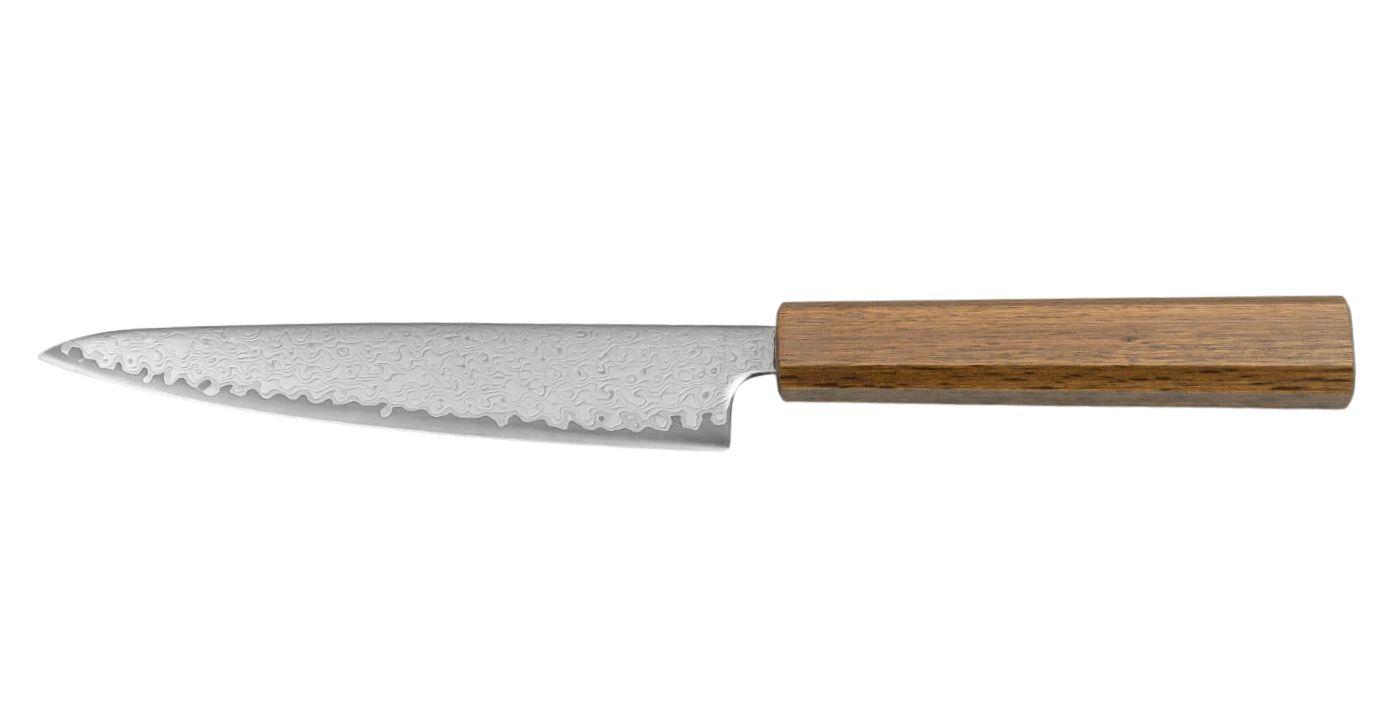
The Petty is a small version of the Gyuto, created for smaller and more detailed tasks.
- Dimension: 120 mm – 180 mm
- Design: Narrow and double-beveled blade with a pointed tip
The Petty is perfect for peeling, trimming, and garnishing. Kazoku Kage Aogami Petty 13.5 cm gives you precision when working with fruits, herbs, or small vegetables.
Honesuki (Boning Knife)
The Honesuki is originally designed for poultry work. The literal meaning of Honesuki is bone knife.
- Dimension: 145 mm – 165 mm
- Design: Triangular design for a thicker spine that gives a sturdy feel in hand
It’s great for deboning chicken or trimming meat around bones without damaging the flesh. Kazoku Takahiro Honesuki is a must-have for meat lovers.
Why Choose Kazoku Knives?
Each and every Kazoku Prestige knife is the product of Japanese craftsmanship: sharp, well-balanced, and built to last. Designed for both home cooks and professionals, Kazoku’s collection includes all the essential types, such as Gyuto, Santoku, and Nakiri.
Their blades are forged for comfort, control, and precision, ensuring every slice feels effortless. With Kazoku, tradition and innovation both matter, which is why it brings the sharpness of Japan into your hands.
Wrap Up
Japanese knives are more than kitchen tools. They’re a reminder of precision, beauty, and centuries of craftsmanship. Whether you’re chopping vegetables, filleting fish, or carving a roast, the right knife can turn even the simplest cooking prep into a creative culinary experience.
Pick the right one, maintain your blade properly, and it will deliver years of easy-going use.
Leave your comment