Kazoku Prestige knives are renowned for their Japanese craftsmanship, durability, and razor-sharp edges. To maintain that legendary sharpness, regular maintenance is key. Stropping is the secret step to keep your Kazoku knife not just sharp, but razor-sharp. In this guide, we’ll explain why stropping is essential for knives and how to do it yourself at home; with or without polishing compound.
Why Is Stropping So Important for Kazoku Knives?
Kazoku knives are crafted from high-quality steel, which is harder and sharper than standard kitchen knives. Due to the hardness of the steel, a micro bur (a tiny folded edge) forms on the blade during use. Stropping removes this bur and aligns the metal without removing material. The result?
- Ultimate sharpness: Your knife glides effortlessly through tomatoes, meat, and vegetables as if cutting through butter
- Longer-lasting edge: Regular stropping reduces the need for frequent sharpening, extending the life of your Kazoku knife
- Safety: A sharper knife requires less force, making cutting safer and more precise:
- Easy maintenance: Kazoku knives are designed for simple, at-home care; stropping is the key
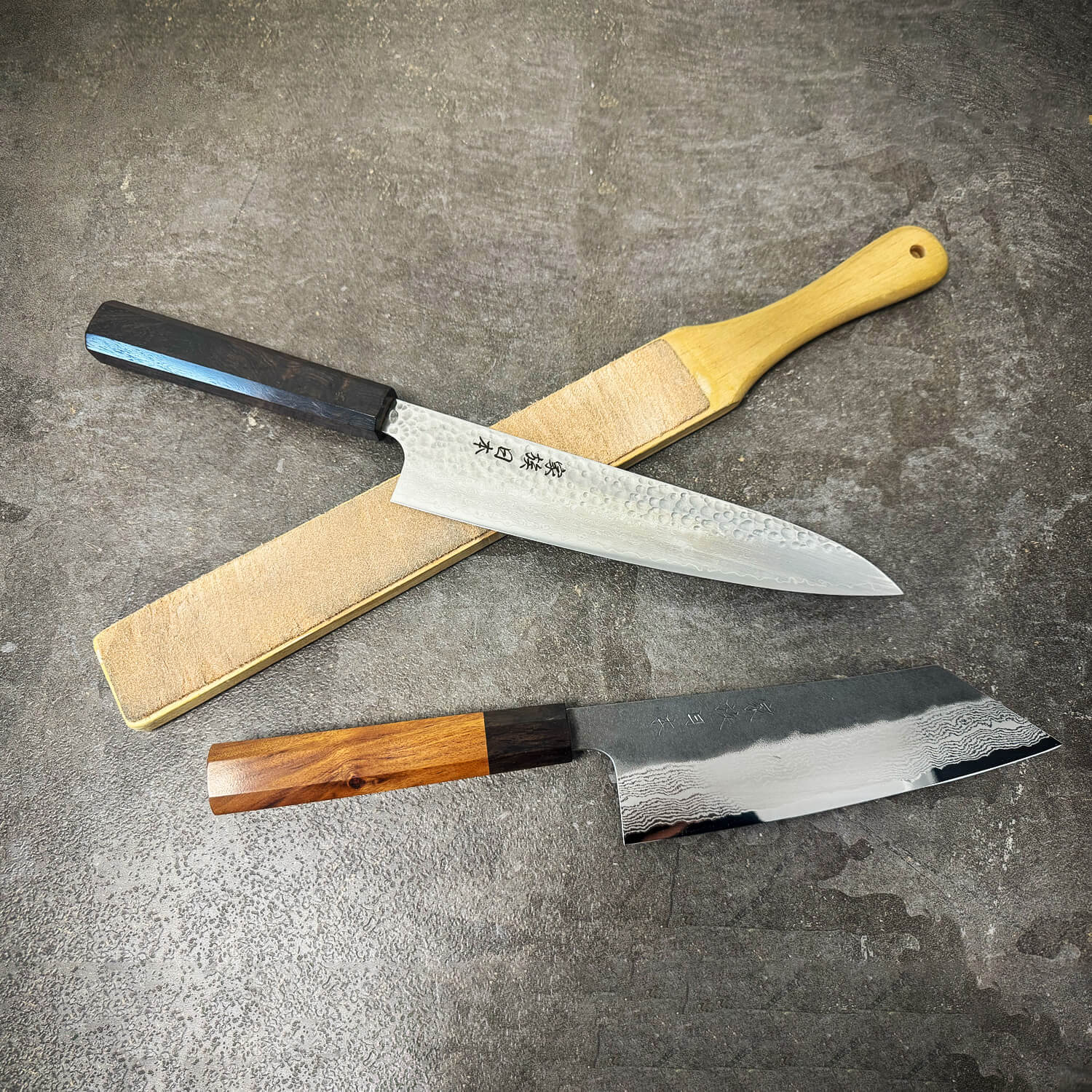
How to Strop a Kazoku Knife: Step-by-Step
Stropping is easier than you think. Follow these steps for the best results using your Kazoku strop block or leather strop:
- Start with a sharp knife: Stropping only works if your knife is already sharp. Sharpen your Kazoku knife first on a fine sharpening stone (e.g., 1000-3000 grit) or use a Kazoku ceramic sharpening rod for quick touch-ups.
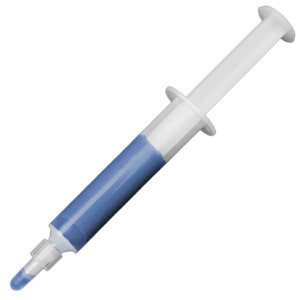
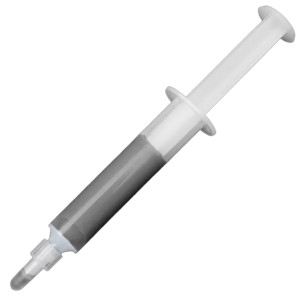
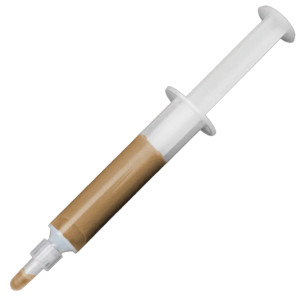
- Prepare the strop: You can strop with or without polishing compound. For an extra-refined finish, apply a thin layer of Kazoku diamond polishing compound (e.g., 10,000 grit) to the strop. This is optional but enhances sharpness and shine.
- Angle and grip: Hold the Kazoku knife at a 15-20 degree angle to the strop, with the spine of the blade facing you. Kazoku knives often have a thin, straight edge, so maintain even pressure.
- Stropping motion: Draw the knife from tip to heel across the strop with light pressure. Repeat 5-10 times per side, ensuring the entire edge is covered. With Kazoku knives, you’ll quickly notice if the angle is correct: if the side of the blade shines instead of the edge, adjust to a smaller angle.
- Test the sharpness: Gently slice a sheet of paper or a ripe tomato. A well-stropped Kazoku knife cuts effortlessly and leaves a clean, smooth edge—passing the famous "Kazoku tomato test"!.
Pro Tips for the Best Results with Kazoku Knives
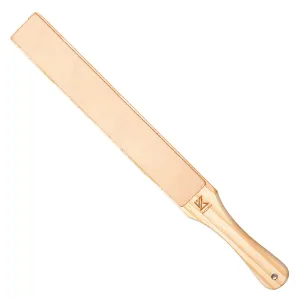
- Use the Kazoku strop block: This block is specifically designed for Japanese and Kazoku knives, providing a stable, hard surface for optimal control.
- Strop after each cooking session: Kazoku knives retain their sharpness longer with regular stropping, especially after heavy use.
- For the finest finish, use Kazoku 10,000 grit diamond compound, though this is not required for everyday maintenance.
- Never strop a dull knife: This damages the strop and won’t improve the edge. Always sharpen first.
When to Use a Strop for Kazoku Knives
Use a strop after sharpening to perfect the edge, or in between sharpening sessions to maintain razor sharpness. While a honing rod is sufficient for most kitchen knives, a strop is essential for Kazoku knives; especially for Japanese-style blades, chef’s knives, and precision tools; to achieve that signature, ultra-sharp edge.
Common Mistakes to Avoid
- Applying too much pressure: The weight of the knife is usually enough. Let the strop and compound do the work.
- Wrong angle: Too steep an angle damages the edge and the strop. Aim for 15-20 degrees.
- Stropping a dull knife: This won’t work and can damage the leather. Always sharpen first
With these techniques, your Kazoku knives will stay sharper, safer, and ready for any culinary challenge!

Leave your comment